Astigmatism is a common vision condition that can cause things to look blurry or distorted. Unlike nearsightedness or farsightedness, which only affects vision at one distance, astigmatism can affect how clearly you see at both near and far distances. If you have astigmatism, you may notice symptoms such as blurry vision, eye strain, headaches, or difficulty seeing clearly at night. However, some people have mild astigmatism and barely notice any changes in their vision, while others may experience more significant symptoms.
Keep reading to learn what astigmatism is, how it changes what you see, and what you can do about it.
What Is Astigmatism?

Astigmatism happens when the cornea, the clear front surface of your eye, or the lens inside your eye has an irregular curve instead of one that is more spherical in shape.
A healthy cornea curves evenly in every direction, similar to a basketball. A cornea with astigmatism curves more steeply in one direction than another, closer to the shape of a football. That uneven curve keeps light from bending the way it should as it passes through your eye. Instead of landing on a single point on your retina, light rays focus on two different points.
Astigmatism is one of the most common refractive errors, and many people have a mild degree of it without ever noticing symptoms.
How Astigmatism Blurs and Distorts Your Vision
Because light can’t settle into one clear focus point, astigmatism blurs and distorts vision at every distance, not just up close or far away. Fine details lose their crispness whether you’re reading a menu or watching television across the room.
The effects tend to stand out most at night. Headlights and streetlights can appear to streak, glow, or develop a starburst pattern, which makes driving after dark more tiring for a lot of people with uncorrected astigmatism.
In more significant cases, double vision can develop as your eyes struggle to merge two blurred images into one clear picture, especially when you’re focused on something for a long stretch of time.
Along with blur, many people with astigmatism deal with eye strain, tired eyes, or headaches by the end of the day. Your eye muscles work harder to compensate for the uneven focus, and that extra effort adds up over hours of reading, driving, or staring at a screen.
When It’s Time for an Eye Exam
Astigmatism can develop at any age, and it often changes gradually, which makes it easy to miss for a while. Adults might notice their glasses prescription doesn’t feel quite right anymore, even though it hasn’t been updated recently.
Kids, on the other hand, frequently assume that blurry, distorted vision is simply normal, since they have nothing else to compare it to, so they may not mention it at all.
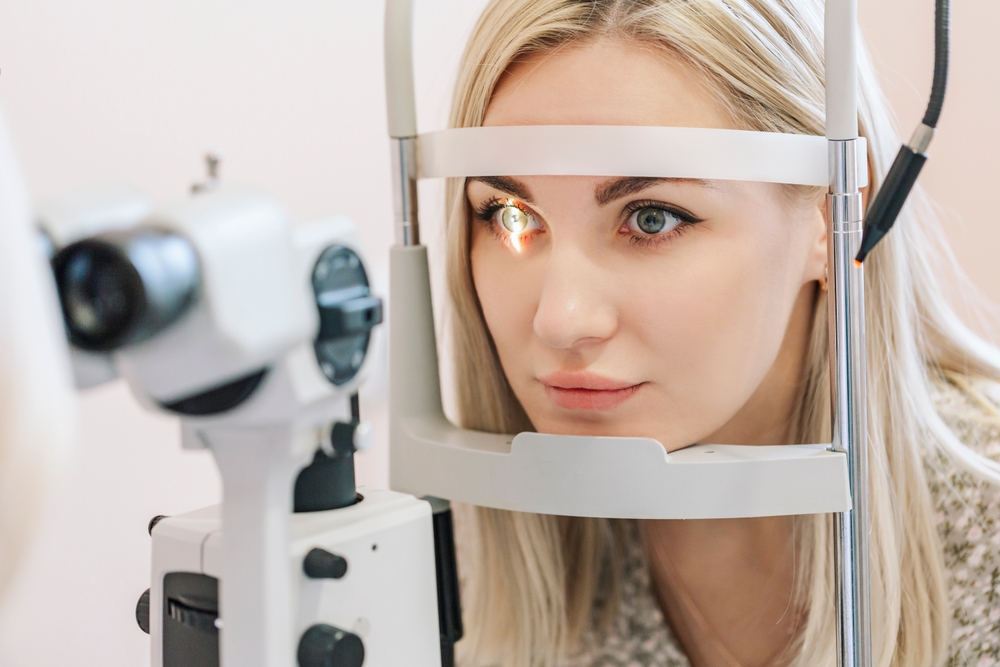
That’s part of why routine visits matter for the whole family, not just for people who already know they need glasses. A comprehensive eye exam measures far more than whether you can read the bottom row of an eye chart. It gives your optometrist a full picture of how your eyes focus light, which is exactly what’s needed to catch astigmatism early.
What Happens When You’re Diagnosed
If your optometrist identifies astigmatism, the exam doesn’t stop at a simple yes or no. Your doctor measures the exact curvature of your cornea and pinpoints both the amount and the direction of the irregularity, since astigmatism isn’t the same from one person to the next. Two patients can both have astigmatism and still need very different prescriptions.
This level of detail is part of what happens during a comprehensive eye health exam, and it’s what allows your prescription to be tailored specifically to your eyes. Astigmatism can also shift over time, so a repeat measurement at future visits helps confirm whether your correction still matches your current vision.
How Is Astigmatism Fixed?
Astigmatism corrects predictably once it’s measured accurately. Your first most common options largely come down to two paths which are glasses or contact lenses, and both can bring your vision back into sharp, single focus.
Correcting Astigmatism with Glasses
Glasses remain one of the simplest, most reliable ways to correct astigmatism. The lenses are ground with a specific curve that offsets the irregular shape of your cornea, allowing light to focus properly on your retina instead of splitting into two points.
Modern lens designs make this correction easy to live with day to day. Once you have an accurate prescription, choosing the right glasses comes down to finding a frame that fits your face and your lifestyle, since the lens itself does the work of sharpening your vision.
Correcting Astigmatism with Contact Lenses
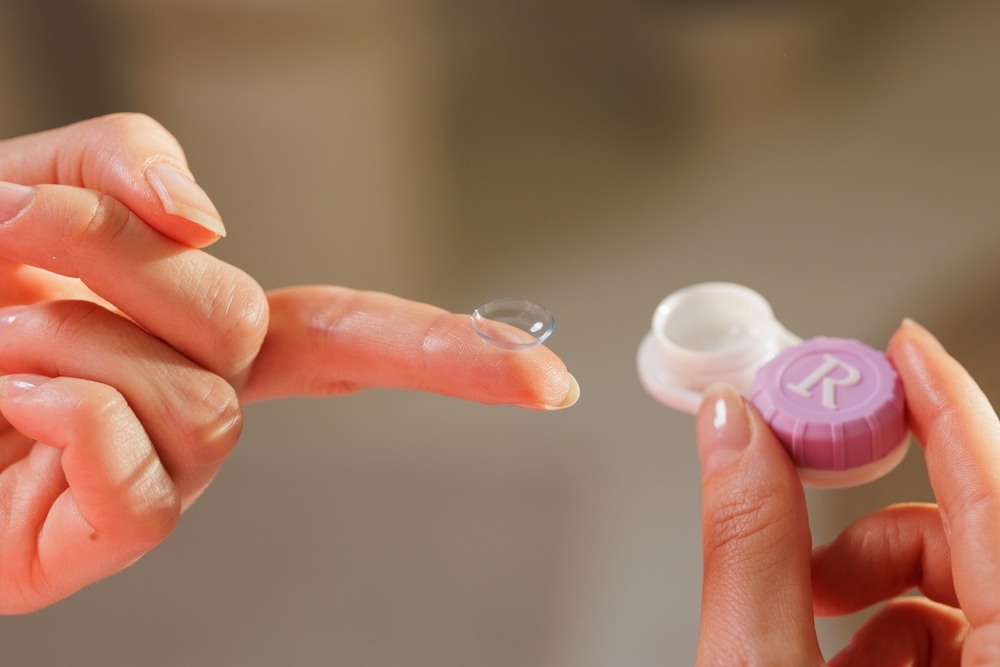
Contacts are also an effective option, though astigmatism calls for a specific lens design known as a toric lens.
Astigmatism correction with contact lenses relies on a lens that has different powers in different directions, along with a design that keeps it properly oriented on your eye so your vision stays consistent as you blink and move throughout the day.
Because fit matters so much for toric lenses, getting the details right takes more than trying on a sample pair. A contact lens exam measures your cornea’s curvature, evaluates your tear film, and confirms your exact prescription, all of which affect how well a toric lens will sit on your eye and how stable your vision will feel.
Getting the Right Care for Your Eyes
Leaving astigmatism uncorrected can mean unnecessary blur, eye strain, and headaches that build up over weeks and months. The right diagnosis and the right lens design make a noticeable difference in how clearly and comfortably you see.
At Blaine Eye Clinic, our experienced doctors take the time to measure your astigmatism precisely and walk you through every correction option available, whether that means glasses, contacts, or a combination of both depending on your daily needs.
Has your vision seemed blurry or strained no matter the distance? Schedule an appointment at Blaine Eye Clinic in Blaine, MN, today!