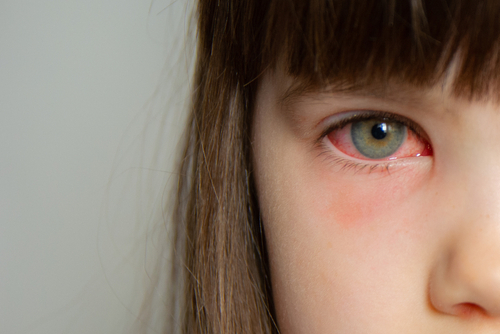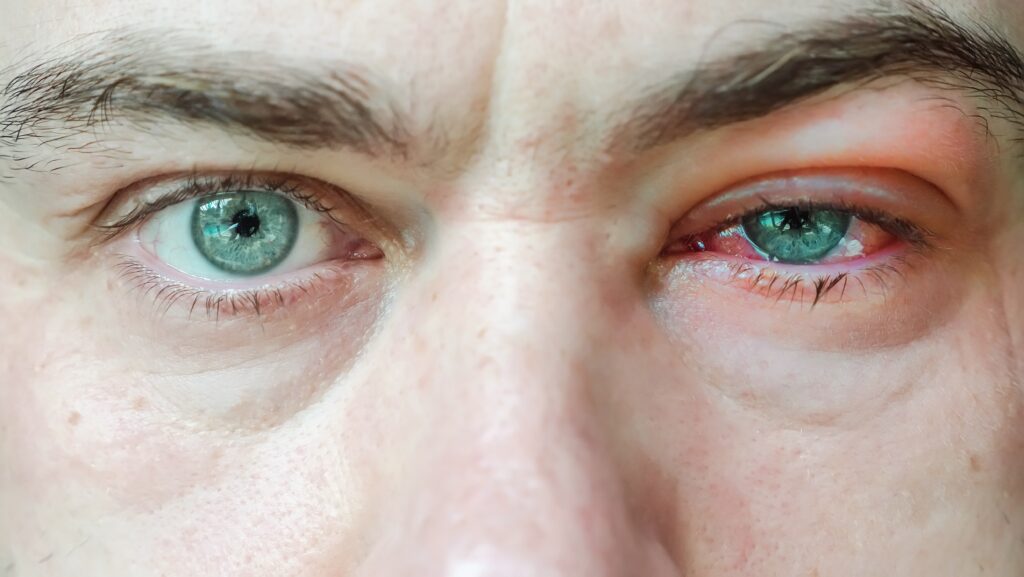
Pink eye spreads through a household fast because it passes so easily from hands to surfaces to faces. One person can wake up with a red, crusty, watery eye, and within days, the rest of the family has it too. However, there are some things that you can do to help prevent the spread of pink eye. Keep reading to learn seven practical ways to keep one case from turning into five.
Why Pink Eye Spreads So Easily at Home

Pink eye, also called conjunctivitis, is inflammation of the thin, clear tissue that covers the white of the eye and lines the inner eyelids.
Viral and bacterial forms are both contagious, and they travel through direct contact with eye discharge, shared items, and contaminated surfaces. Homes are the perfect setting for that kind of spread. You share bathrooms, towels, remote controls, and door handles, and family members touch their faces constantly without thinking about it, which gives germs plenty of chances to move from one person to the next.
The good habits below work best when the whole household follows them together, not just the person with symptoms.
How to Break the Chain of Contact at Home
1. Wash Your Hands Often and Thoroughly
Handwashing is the single most effective way to stop pink eye in its tracks.
The infected person should wash after touching their eyes, applying drops, or using a tissue, and everyone else should wash before meals and after close contact. When a sink is not nearby, an alcohol-based hand sanitizer is a reasonable backup, though it does not replace a proper wash.
2. Stop Sharing Personal Items
Pink eye clings to anything that touches the face. During an active infection, personal items become one of the most common ways the germs reach a new person.
Keep these items strictly separate for each family member:
- Towels, washcloths, and hand towels
- Pillows and pillowcases
- Eye makeup, makeup brushes, and applicators
Assign the person with symptoms their own hand towel in the bathroom, and make sure no one borrows it. Replacing shared eye makeup after an infection is also worth it, since bacteria and viruses can survive in the product.
3. Wash Bedding, Towels, and Linens Frequently
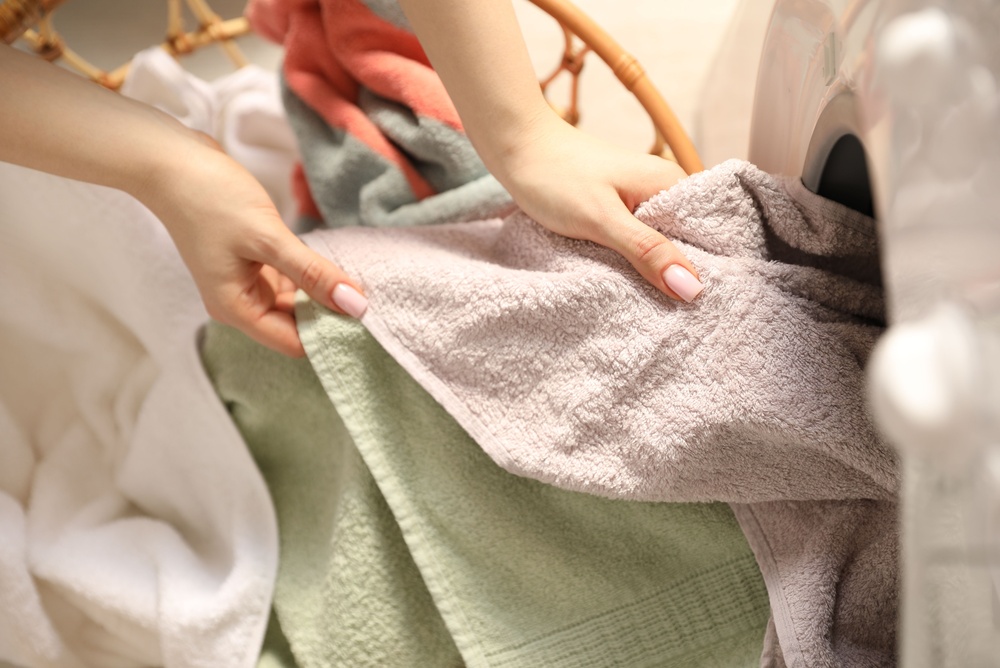
Fabric that touches the face collects discharge and germs, so laundry becomes an important defense. Wash the infected person’s pillowcases, sheets, and towels every day while symptoms last, and continue for a day or two after the eye clears. Use hot water and dry everything on a hot setting when the fabric allows. Wash your hands after handling dirty laundry, and avoid pressing used linens against your own face while you carry them to the machine.
4. Disinfect the Surfaces Everyone Touches
Between handwashings, germs settle onto the objects your family reaches for all day. Wiping these down regularly closes a gap that hands alone cannot cover.
Focus on high-touch spots such as doorknobs, light switches, faucet handles, phones, tablets, remote controls, and countertops. A regular household disinfectant works well, and paying extra attention to the bathroom the infected person uses gives you the most protection for the effort.
5. Keep Hands Away from the Eyes and Face
Rubbing an itchy, irritated eye feels natural, but it moves germs straight onto the fingers and then onto everything you touch next. It can also spread the infection from one eye to the other.
Gently remind children not to touch their eyes, since kids are more likely to develop pink eye and less likely to resist rubbing. Using a clean tissue to dab away discharge, then throwing it away and washing up, is far safer than using bare hands or a reusable cloth.
If your eye feels gritty or itchy enough that you cannot leave it alone, that discomfort is worth mentioning at your appointment.
6. Handle Contacts and Makeup with Extra Care
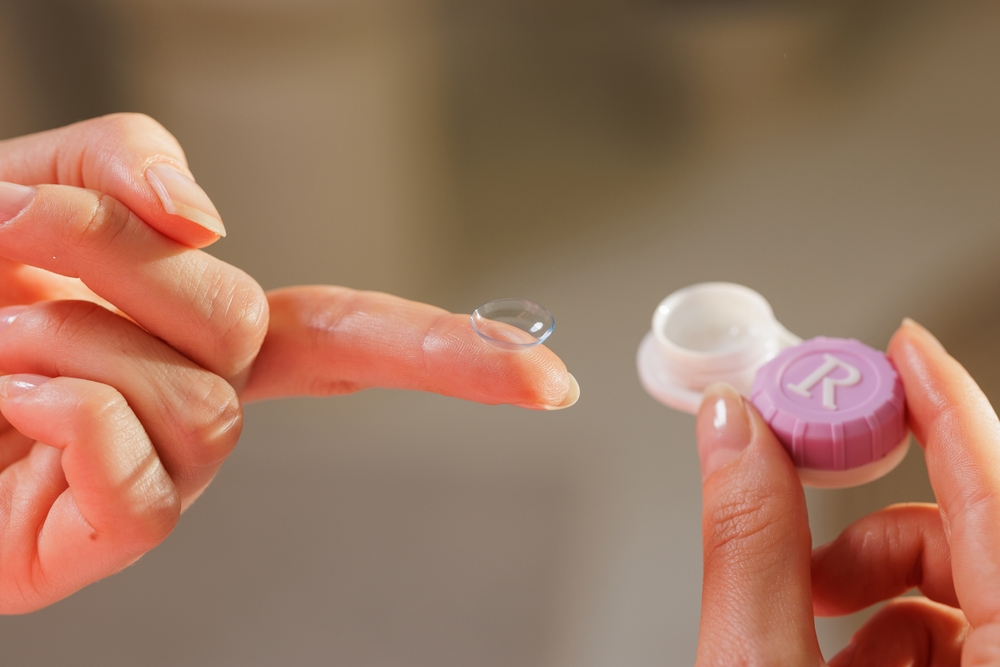
Contact lens wearers need to be especially cautious, because lenses sit directly on the eye and can trap and reintroduce germs. Stop wearing your contacts at the first sign of pink eye and switch to glasses until an eye doctor says it is safe to return.
Throw away disposable lenses and their case if you wore them while symptomatic, and toss any eye makeup used during that time. For reusable lenses, disinfect them thoroughly before wearing again.
Building strong everyday routines around contact lens hygiene also lowers your risk of infection long after this episode is over.
7. Know When to Keep Someone Home and See a Doctor
Reducing contact matters when someone is contagious. Keeping a child home from school or daycare while the eye is actively draining protects classmates and helps your household avoid reinfection from the outside.
Rest and time resolve many mild cases, but symptoms that worsen, last beyond a couple of weeks, or come with eye pain or changes in vision deserve professional attention. A sudden, severely painful, or vision-affecting eye may call for urgent eye care rather than waiting it out at home. Knowing the difference helps you respond calmly, and simple daily precautions go a long way toward helping your family avoid conjunctivitis in the first place.
Getting the Right Diagnosis in Blaine, MN
Viral, bacterial, and allergic pink eye can look alike but call for different treatment, which is why an accurate diagnosis matters so much. An eye doctor can examine the eye, confirm what you are dealing with, and recommend the approach most likely to clear it quickly and limit spread through your home.
The team at Blaine Eye Clinic in Blaine, Minnesota, sees patients of every age for red, irritated, and infected eyes, and can guide your family through both treatment and prevention. Quick care can help shorten the overall discomfort and keep one household case from becoming a chain reaction.
Is someone in your home showing signs of pink eye? Schedule an appointment at Blaine Eye Clinic in Blaine, MN, today!