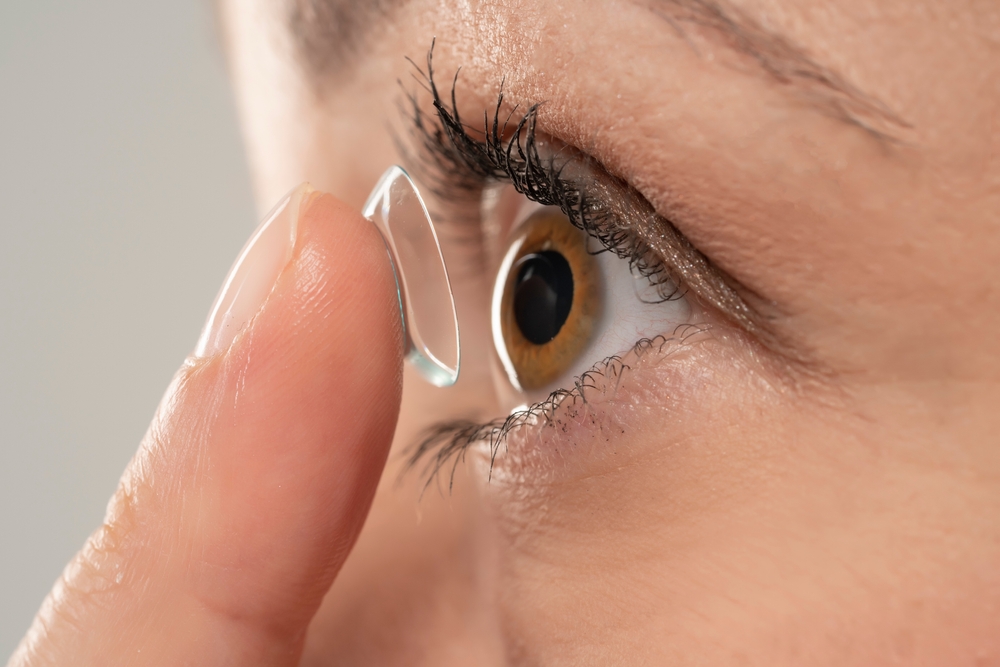
If you wear contact lenses, you count on them to help you see clearly and feel comfortable throughout the day. Over time, though, your eyes can change, and the prescription that once worked well might not be doing the job anymore. Maybe your vision seems a little blurry, or your eyes feel more tired than usual. Keep reading to learn the signs that your contact lens prescription may need updating and when it’s a good idea to see your eye doctor.
Signs Your Prescription May Need Updating

Your eyes change gradually, so the clues that your prescription is out of date can be easy to brush off. A few of the most common signs show up during everyday tasks like reading, driving, or working at a screen. Here are the ones worth paying attention to.
Blurry Vision That Comes and Goes
One of the clearest signals is blurriness that was not there before. Sometimes the blur is constant, and other times it fades in and out during the day. Fluctuating vision deserves attention because it can point to more than an outdated prescription.
It may relate to how your lenses fit or how your eyes are handling them. A lens that moves too much on the eye can cause your clarity to shift throughout the day, since contact lenses correct your vision only when they sit and move correctly on the surface of your eye. Getting this checked helps your eye doctor separate a simple power change from a fit issue.
Headaches, Eye Strain, and Fatigue
When your prescription is even a little off, your eyes work harder to bring the world into focus. For many patients, this can cause dull headaches that build over the afternoon, a tight feeling around the eyes, or general tiredness after tasks that never used to bother them. If you find yourself closing one eye to focus or taking your lenses out earlier than you used to, your eyes may be telling you the correction no longer matches your needs.
Trouble With Near or Distance Vision After 40
If you are in your forties or beyond and small print has started to blur, you may be noticing presbyopia. This is the natural, age-related change that makes it harder to focus up close. It affects nearly everyone eventually, and it can happen even if your distance vision has been stable for years.
Presbyopia often means your current contact lenses no longer cover the full range of what you need. Multifocal lenses and other options can restore comfortable near and distance vision, but they require an updated prescription and a proper fitting to work well.
The Temptation to Reuse or Switch Lenses

It can be tempting to reorder the same lenses year after year or to switch between daily and monthly options on your own. Both habits carry risk.
Contact lens prescriptions are brand- and lens-specific, which means the exact power that fits one lens type may not translate to another.
Materials, thickness, and base curves differ between lens types, which is why daily and monthly contacts do not always share the same prescription.
Even wearing time matters, and knowing how long you can safely wear monthly contact lenses can help you avoid overwear that irritates your eyes and clouds your vision. Small adjustments your eye doctor makes during an exam keep your lenses fitting correctly and your eyes healthy.
It’s Been Over a Year Since Your Last Exam
Sometimes the biggest sign has nothing to do with how your eyes feel.
Contact lens prescriptions are only valid for a set period, usually a year, and they expire for a reason. Your eyes can change without any obvious symptoms, and a lens sitting directly on your eye needs regular checks to make sure it still fits and your eyes stay healthy.
If you cannot remember the last time you had your eyes looked at, that alone is worth an appointment. An annual exam catches small changes before they turn into blurry vision, discomfort, or strain, and it keeps your prescription current so you are always seeing your best.
What Happens at a Contact Lens Exam?
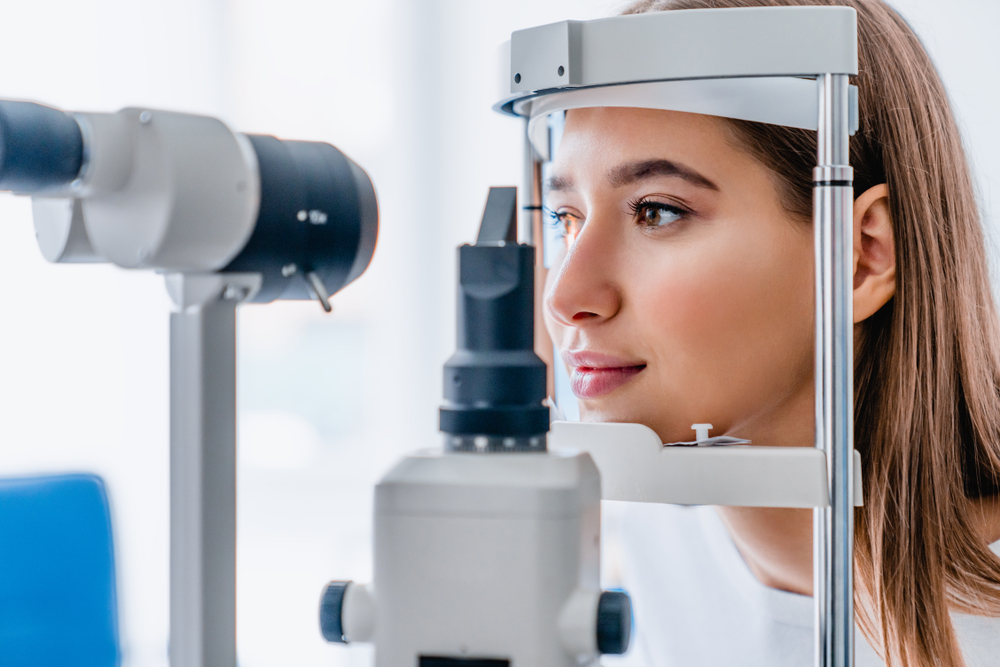
During a contact lens exam, your eye doctor measures the curvature of your cornea, evaluates your tear film, and assesses how your lenses sit and move on your eyes. These measurements confirm that your lenses fit properly and deliver clear, comfortable vision. This appointment often pairs with a comprehensive eye health exam, which checks the overall health of your eyes. Together, they give your eye doctor a complete picture of both your vision and the condition of your eyes, so any updates to your prescription are based on more than a single reading.
Trust the Signs and Schedule a Check
You know your eyes better than anyone. If your lenses feel different, your vision has shifted, or you simply cannot remember your last exam, those are all good reasons to have things looked at. The team at Blaine Eye Clinic in Blaine, MN, takes the time to find the right lens and prescription for your eyes and lifestyle.
Catching a small change early keeps your vision sharp and your eyes comfortable, and it spares you the frustration of squinting through a prescription that no longer fits.
Noticing your contacts are not as clear or comfortable as they used to be? Schedule an appointment at Blaine Eye Clinic in Blaine, MN, today!