A comprehensive eye health exam is a thorough evaluation of your eye health and vision that helps your eye doctor detect potential problems early, sometimes even before you notice any symptoms.
If it’s been a while since your last eye appointment, you may be feeling a bit nervous about what to expect. By fully knowing what to expect during the process, you can feel more prepared and comfortable. Let’s walk through, step-by-step, what you can expect during your visit!
Starting with Your Medical History

Your exam begins before any testing equipment is even used. Your eye doctor will first ask about your medical history, including any medications you’re taking, family history of eye conditions, and any vision concerns you’re currently experiencing.
This information is crucial because many eye conditions have genetic links, and certain health conditions like diabetes or high blood pressure can affect your eyes. Don’t worry if you can’t remember every detail, just share what you know, and be honest about any symptoms you’ve been experiencing, even if they seem minor.
Testing Your Visual Acuity
This is the part most people picture when they think of an eye exam.
Visual acuity testing measures how clearly you can see at various distances. You’ll read letters or numbers on a chart, typically starting with larger ones and moving to smaller ones. Your eye doctor will test each eye separately and then together to get a complete picture of your vision.
This simple test helps them determine if you need corrective lenses and, if you already wear them, whether your prescription needs updating.
Checking Your Eye Pressure with Tonometry
Tonometry measures the pressure inside your eyes, which is important for detecting glaucoma. Glaucoma is a serious eye disease that can lead to vision loss if left untreated. There are different methods for this test, but most involve a quick puff of air directed at your eye or a gentle touch from a small instrument.
While the air puff can be startling, it’s completely painless and over in seconds. This simple test provides valuable information about your eye health.
Getting Initial Measurements with the Autorefractor
The autorefractor is a computerized instrument that provides an objective measurement of your refractive error. You’ll look into a machine at an image (often a picture of a hot air balloon or farmhouse), and the device automatically determines an approximate prescription for your eyes.
This gives us a helpful starting point, though we’ll refine these measurements throughout your exam. The autorefractor is quick, non-invasive, and requires no response from you, the machine does all the work.
Fine-Tuning Your Prescription
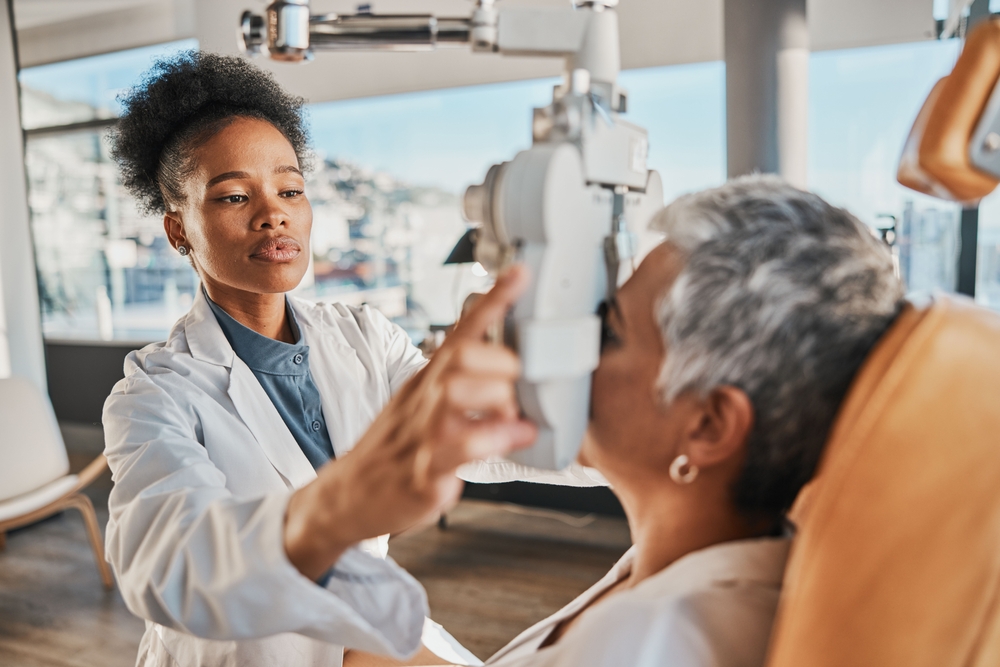
While the autorefractor provides a good starting point, refraction is where we determine your precise prescription. This is often the longest part of your exam, but it’s crucial for ensuring you get the clearest vision possible.
Your doctor will have you look through an instrument called a phoropter. During refraction, you’ll look at the eye chart while your doctor flips between different lens combinations, asking you the famous question: “Which is better, one or two?”
Sometimes the difference between the options is obvious, and other times they may look nearly identical. Don’t stress if you’re unsure. Your feedback, even when you say “they look about the same,” helps your doctor zero in on your ideal prescription.
Evaluating How Your Eyes Move Together
Ocular motility testing examines how well your eyes move and work together as a team. Your eye doctor will ask you to follow a moving target, usually a pen or small light, with your eyes while keeping your head still. This test checks whether your eye muscles are functioning properly and if your eyes are correctly aligned.
Problems with eye movement can cause double vision, eye strain, and difficulty reading, so this is an important part of understanding your overall eye health.
Assessing Your Peripheral Vision
Peripheral vision screening checks your side vision, which is essential for activities like driving and navigating safely through your environment. During this test, you’ll focus on a central point while responding to lights or objects that appear in your peripheral field of view. This test can detect blind spots or vision loss that might indicate conditions like glaucoma or neurological issues.
Checking Your Pupil Response
Your eye doctor will shine a light into your eyes to observe how your pupils react. Healthy pupils should constrict (get smaller) when exposed to light and dilate (get larger) in dim conditions.
This test also checks whether both pupils respond equally and appropriately. Abnormal pupil responses can indicate various health issues, from eye problems to neurological conditions.
Examining the Front of Your Eyes
Using a specialized microscope called a slit lamp, your doctor will examine the front structures of your eyes, including your eyelids, cornea, iris, and lens. This detailed examination can reveal conditions like cataracts, corneal damage, or inflammation.
Wellness Scan vs. Dilation
For patients 20 years and older, we offer an optional wellness scan. This technology takes our ability to assess your eye health to the next level.
This scan captures detailed images and measurements of the layers of your retina that we can’t fully visualize, even with a dilated eye exam. However, we believe that routine dilation is the best practice for thoroughly assessing your eye health.
Dilation involves using special eye drops that temporarily enlarge your pupils, allowing us to get a much better view of the internal structures of your eyes, including your retina, macula, and optic nerve.
The side effects are minimal but worth knowing about: you’ll be more sensitive to light (we’ll provide disposable sunglasses), and your near vision will be blurred for a few hours. It’s best to bring a driver if possible, though many patients feel comfortable driving themselves. Just plan not to do any close-up work or reading for the rest of the day.
Determining Your Prescription and Vision Correction Options
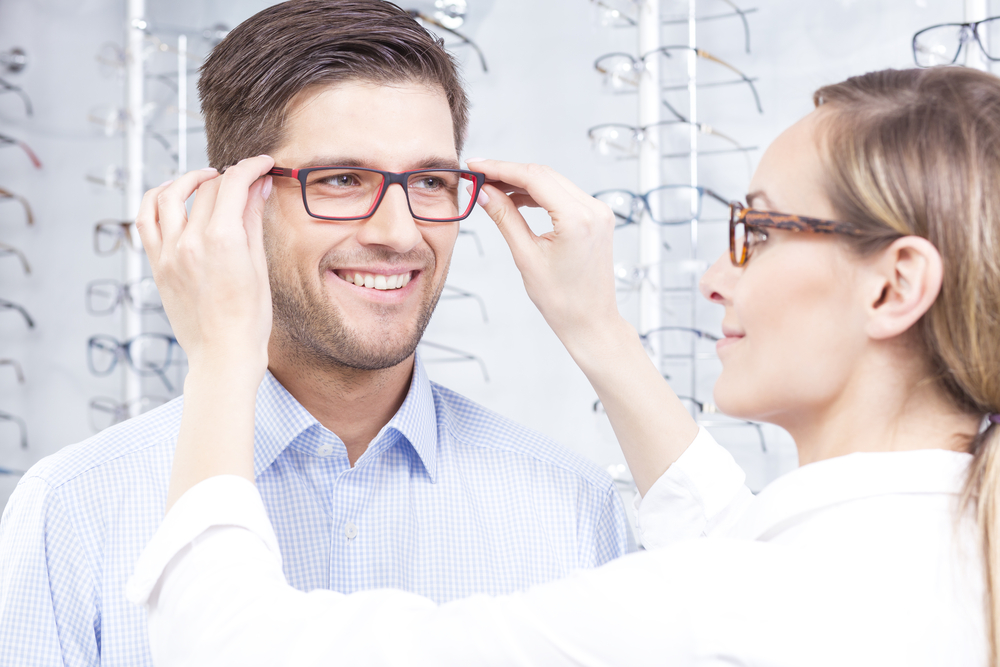
At the end of your exam, you’ll receive a prescription that corrects for any refractive errors you have, whether that’s nearsightedness, farsightedness, astigmatism, or presbyopia (the age-related difficulty focusing on close objects). How you choose to correct your vision is entirely up to you, but we’re here to guide you through the options.
If you’re interested in glasses, our team can help you select frames that are both stylish and comfortable, and we’ll educate you about different lens designs to match your lifestyle needs. If you prefer contacts, we’re happy to discuss whether they’re a good option for you and help you find the right type for your eyes and daily activities.
Is it time for you to have an eye exam? Schedule an appointment at Blaine Eye Clinic in Blaine, MN, today!


