
What many patients don’t realize is that common daily habits can actually make dry eye symptoms worse. Simple activities you do every day might be working against your efforts to find relief.
However, small changes to your routine can make a significant difference in how your eyes feel. Keep reading to learn about six everyday habits that might be sabotaging your eye comfort and what you can do to protect your vision and find lasting relief.
What Causes Dry Eye Symptoms?
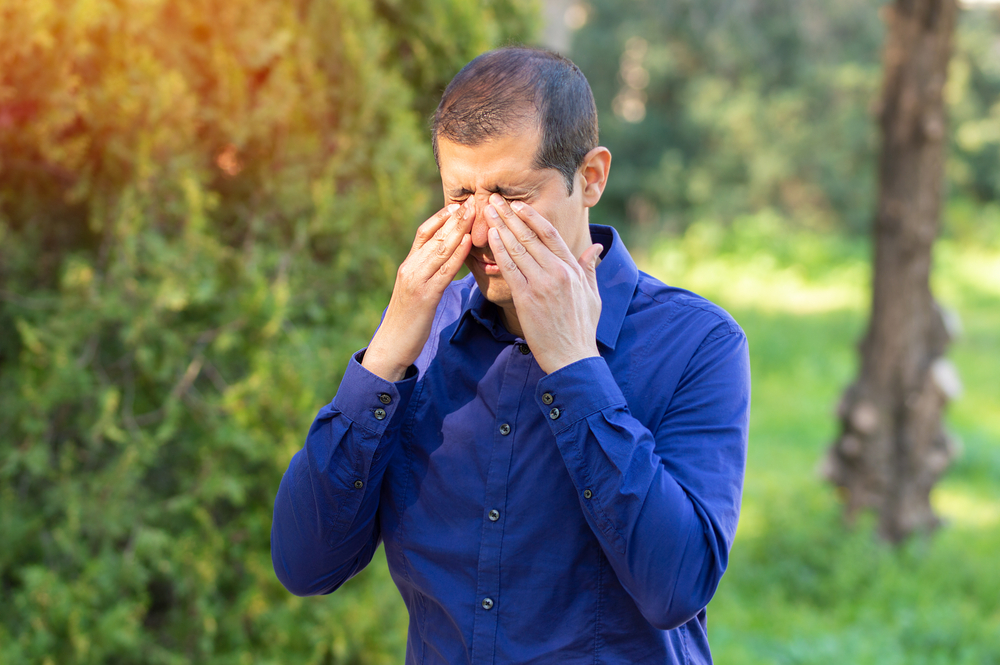
Your eyes depend on a healthy tear film to stay comfortable and maintain clear vision. This thin layer of moisture consists of water, oils, and proteins that work together to keep your eyes lubricated and protected. When this delicate balance gets disrupted, you experience the burning, grittiness, and irritation known as dry eye symptoms.
Many factors can interfere with your natural tear production or cause tears to evaporate too quickly. Age, hormones, medications, and certain medical conditions all play a role. However, your daily environment and habits have a bigger impact than you might expect.
6 Daily Habits That Worsen Dry Eye Symptoms
Now that you understand how your tear film works, let’s look at specific daily activities that can disrupt this delicate balance. These common habits might be affecting your eyes without you even realizing it.
1. Staring at Screens Without Breaks
When you focus on a computer, phone, or tablet, you blink much less frequently than normal. Blinking spreads fresh tears across your eye surface, so fewer blinks mean your eyes dry out faster.
The concentrated focus required for screen work also reduces the quality of your blinks. Instead of full, complete blinks that thoroughly wet your eyes, you tend to make partial blinks that don’t provide adequate moisture. Taking regular breaks every 20 minutes to look at something 20 feet away for 20 seconds can help reset your blinking pattern.
2. Using Fans or Air Conditioning Directly
Air movement across your face speeds up tear evaporation, leaving your eyes feeling dry and scratchy. Ceiling fans, desk fans, car vents, and air conditioning systems all create airflow that can worsen dry eye symptoms. Even gentle air movement can cause problems if it’s directed toward your face for extended periods.
If you notice your symptoms are worse in certain locations or during specific seasons, airflow might be the culprit. Simple adjustments like redirecting vents or repositioning your workspace can provide immediate relief.
3. Not Drinking Enough Water
Your body needs adequate hydration to produce healthy tears. When you’re dehydrated, your tear production decreases, and the tears you do make may be of poor quality. Many adults don’t drink enough water throughout the day, especially when they’re busy or distracted by work.
Dehydration affects the water layer of your tear film first, but it also impacts the other components that keep your eyes comfortable. Plain water remains the best choice for maintaining healthy tear production.
Aim for about eight glasses of water throughout the day, and consider drinking an extra glass during activities that tend to dry out your eyes. If you struggle to remember to drink water, try keeping a water bottle at your desk or setting gentle reminders on your phone.
4. Wearing Contact Lenses Too Long
Contact lenses absorb moisture from your tear film, which can leave your eyes feeling dry by the end of the day. Wearing them longer than recommended makes this problem worse and can lead to irritation and discomfort.
5. Using Harsh Eye Makeup or Products

Many cosmetics contain ingredients that can irritate your eyes or interfere with your natural tear film. Waterproof mascara, long-lasting eyeliner, and certain eye shadows can clog the tiny glands along your eyelids that produce the oil layer of your tears. When these glands become blocked, your tears evaporate too quickly.
Not removing makeup thoroughly at night makes the problem worse by allowing irritating ingredients to build up around your eyes. Even some makeup removers contain harsh chemicals that can worsen dry eye symptoms.
Choosing gentler products and being thorough about nighttime cleansing helps protect your eye health.
5. Sleeping with Eyes Partially Open
Some people sleep with their eyes slightly open without realizing it. This condition, called nocturnal lagophthalmos, allows air to flow over your eye surface while you sleep, causing significant drying. You might wake up with extremely dry, red, or irritated eyes that feel worse in the morning. If you consistently wake up with severe dry eye symptoms that improve throughout the day, incomplete eyelid closure during sleep might be contributing to your discomfort.
6. Taking Certain Medications Without Awareness
Many common medications can reduce tear production or change tear quality. Antihistamines, decongestants, blood pressure medications, antidepressants, and birth control pills are known to affect eye moisture.
Some people take multiple medications that all contribute to dry eyes without realizing the connection. Even over-the-counter medications like allergy pills and cold remedies can worsen dry eye symptoms.
If you started new medications around the same time your eye discomfort began, there might be a connection worth discussing with your healthcare providers.
Simple Changes That Can Help Your Eyes

Making small adjustments to these daily habits can significantly improve your eye comfort. Start by setting reminders to blink consciously when using screens, and position yourself away from direct airflow whenever possible. Staying well-hydrated and following proper contact lens care routines also makes a noticeable difference.
For makeup users, choosing eye-friendly cosmetics and removing them gently each night helps protect your tear film. If you suspect medication side effects, talk with your doctor about alternatives or timing adjustments that might reduce their impact on your eyes.
Environmental changes like using a humidifier in dry climates or adjusting your workspace setup can provide additional relief. Some people benefit from preservative-free artificial tears used strategically throughout the day, especially before activities that typically worsen their symptoms.
When to Seek Professional Help for Dry Eye Symptoms
While lifestyle changes can provide significant relief, persistent dry eye symptoms often require professional evaluation and treatment. If your eyes remain uncomfortable despite making these adjustments, or if you experience severe burning, pain, or vision changes, it’s time to see an eye care specialist.
Blaine Eye Clinic offers comprehensive dry eye evaluations that identify the specific factors contributing to your discomfort. We can determine whether your symptoms stem from poor tear production, rapid tear evaporation, or other underlying issues that need targeted treatment.
Professional treatments range from prescription eye drops and medications to advanced therapies that address the root causes of dry eye disease.
Ready to find lasting relief from dry eye symptoms? Schedule a comprehensive dry eye evaluation at Blaine Eye Clinic in Blaine, MN, today and discover personalized solutions that address your specific needs and lifestyle factors.


